
20 Apr Understanding the psychology behind gambling behavior in casino environments
Understanding the psychology behind gambling behavior in casino environments
The Allure of the Casino Environment
Casinos are designed to captivate and immerse visitors in a world of excitement and chance. The vivid colors, dazzling lights, and the sound of spinning reels all create a sensory experience that stimulates excitement and anticipation. This carefully crafted environment taps into our primal instincts, drawing players in and encouraging them to engage with the games. The sights and sounds can induce a euphoric state, often referred to as the “gambling rush,” where adrenaline and dopamine surge, making players feel alive and invested. For an engaging online experience, you might consider exploring justcasino-nz.org/, which offers a wealth of gaming options tailored for players.
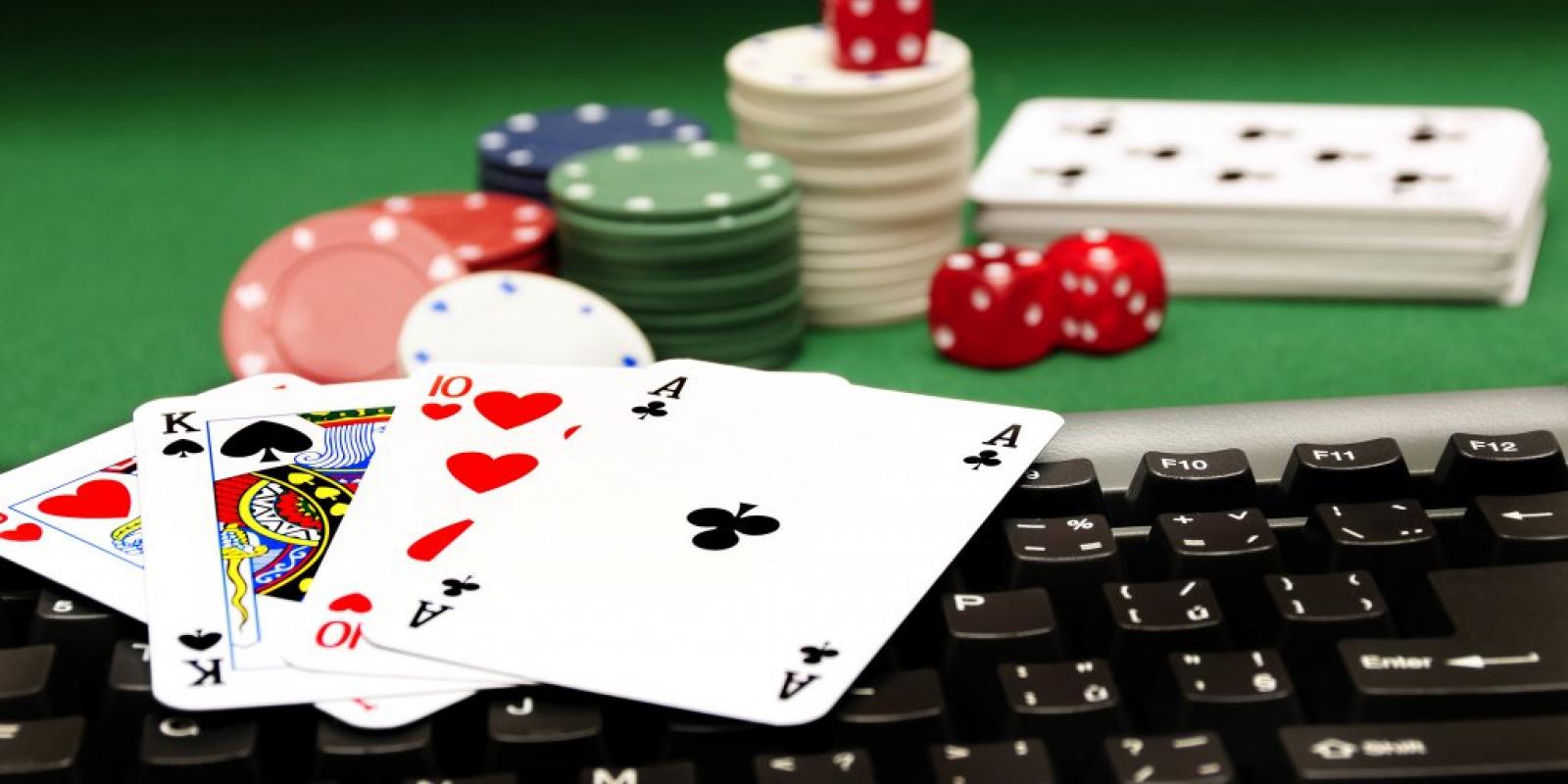
Moreover, casinos employ strategic layouts to optimize the flow of movement and maximize player engagement. The positioning of games and the absence of clocks or windows create a sense of timelessness, encouraging patrons to lose track of time and stay longer. This manipulation of physical space significantly influences player behavior and can lead to increased gambling activity. The environment fosters a feeling of escapism, where the pressures of daily life are momentarily forgotten amidst the thrill of potential winnings.
The psychological design of casinos extends to the use of near-misses, a phenomenon where a player almost wins, heightening their emotional investment. This can lead to continued gambling as players chase the elusive win. The blend of sensory stimulation, strategic layout, and psychological tactics creates an addictive atmosphere, compelling individuals to engage in gambling behavior in ways that might not happen in more subdued settings.
The Role of Cognitive Biases in Gambling
Human cognition is rife with biases that can heavily influence gambling behavior. One prevalent bias is the illusion of control, where players believe they can influence game outcomes, particularly in games like poker or blackjack. This cognitive distortion leads individuals to take more risks, as they overestimate their skill level and underestimate the role of chance. Such beliefs are further fueled by occasional wins, reinforcing the false sense of control and encouraging continued play.
Another cognitive bias is the gambler’s fallacy, which suggests that past events influence future probabilities. For instance, a player may believe that a slot machine that hasn’t paid out recently is “due” for a win. This misunderstanding of probability can lead to increased betting and prolonged gambling sessions, often resulting in significant losses. Recognizing these biases is essential in understanding why individuals may engage in gambling behavior that is detrimental to their financial and emotional well-being.
These cognitive biases highlight the complex interplay between thought patterns and gambling behavior. Players may enter a casino with rational intentions but often fall prey to irrational beliefs that guide their actions. This dissonance between intention and behavior underscores the need for increased awareness and education about cognitive biases in the gambling context, particularly for those who frequent casinos.
The Impact of Social Influences
Gambling is often a social activity, and the influence of peer groups can significantly shape individual behavior in casino environments. Friends and companions can create a sense of camaraderie, making the act of gambling more appealing. Positive reinforcement from peers can encourage individuals to gamble more than they might on their own, as shared experiences amplify excitement and enjoyment. This social dynamic can lead to a cycle of increased gambling, where individuals feel pressured to participate or escalate their betting to match their friends.
Furthermore, the presence of social proof plays a critical role in gambling behavior. When individuals see others winning or enjoying themselves, it can create a bandwagon effect, motivating them to join in the fun. This phenomenon can be particularly potent in casino environments, where large crowds and communal celebrations around wins can make the experience more enticing. People often mimic the behavior of those around them, which can lead to increased gambling activity, even among those who may have initially entered the casino with cautious intentions.
However, the social aspect of gambling can also be double-edged. While it can enhance enjoyment, it may also lead to risky behavior and addiction. The pressure to conform to social norms can push individuals beyond their limits, leading to financial and emotional consequences. Understanding the impact of social influences is crucial for both players and casino operators to create healthier gambling environments that promote responsible gaming.
The Emotional Rollercoaster of Gambling
The emotional experience associated with gambling is a fundamental aspect of understanding player behavior. Winning can elicit feelings of joy, empowerment, and satisfaction, while losing often leads to frustration and disappointment. This emotional rollercoaster is a significant driver of gambling, as players may chase the high of a win to counteract the lows of a loss. This cycle can create a compulsive need to gamble, as individuals seek to recreate the euphoric feelings associated with winning.
Additionally, the emotional state of a player when entering a casino can greatly influence their gambling choices. Individuals seeking an escape from stress or emotional turmoil may gamble as a coping mechanism. In these situations, the act of gambling can become intertwined with their emotional well-being, leading to a reliance on gaming for solace or distraction. The cyclical nature of emotions and gambling behavior underscores the need for responsible gaming practices that address players’ mental health.
Casinos often capitalize on these emotional dynamics, using marketing strategies that evoke excitement and anticipation. Promotions, events, and loyalty programs are designed to reinforce positive emotional experiences, making players feel valued and encouraging them to return. However, this can inadvertently contribute to compulsive gambling patterns if not managed responsibly. Understanding the emotional dimensions of gambling is essential for creating awareness and promoting healthier gaming habits.

Just Casino: A Responsible Gaming Experience
Just Casino New Zealand aims to provide a premier online gaming experience while prioritizing responsible gaming practices. With a diverse library of over 3,500 games, the platform offers a wide range of options for players while also implementing features that promote safe gambling behavior. The site’s commitment to responsible gaming includes tools for setting limits and self-exclusion, ensuring that players can enjoy their experience without compromising their well-being.
Moreover, Just Casino provides comprehensive resources on gambling behavior and mental health, fostering a community that encourages responsible play. By creating a supportive environment, Just Casino empowers players to make informed decisions about their gambling habits. The rapid NZD withdrawals and reliable customer support further enhance the gaming experience, allowing players to focus on enjoyment without unnecessary stress.
Ultimately, Just Casino recognizes the complexities of gambling behavior and strives to offer an environment that not only entertains but also respects the psychological nuances that influence player engagement. By prioritizing safety and promoting responsible gaming, Just Casino sets itself apart as a leader in the online gambling landscape in New Zealand.
No Comments